


LAWRECOM Begins Comprehensive Audit Of Lagos State Laws
The Lagos State Law Reform Commission has commenced a comprehensive audit of the laws of Lagos State to identify obsolete provisions, legislative gaps, inconsistencies, duplication and areas requiring amendment, consolidation, repeal or replacement.
The Commission described the exercise as the first comprehensive statewide assessment of Lagos State’s laws. It will provide a reliable inventory of the laws and a prioritised reform matrix to guide future legislative action and government decision-making.
Lagos State’s legal framework comprises more than 250 laws enacted over a period of more than 25 years. During that period, the State has experienced substantial economic growth, rapid urbanisation, technological change, demographic expansion and significant changes in governance and public service delivery. The audit will assess whether the legal framework has kept pace with those developments.
Why the Audit Is Necessary
The Executive Secretary of LAWRECOM, Mrs Oluyemisi Ogunlola, explained that laws may remain on the statute book long after the circumstances that informed them have changed. She cited the Administration of Estates Law, enacted during the Western Region era in 1959, and a 1969 law establishing a committee on abandoned properties as examples of older legislation that remains within the body of Lagos State laws despite later codifications.
According to Ogunlola, the audit will go beyond identifying old provisions. It will also examine the relationship between laws, ministerial responsibilities and other sources of legal authority, including areas where institutional mandates overlap or are unclear.
“Law reform cannot be undertaken in depth without a proper audit,” Ogunlola said. “In line with best practice the exercise should also be conducted periodically because society is constantly evolving. A law that is appropriate today may require fresh examination as new technologies, social conditions, economic realities and governance challenges emerge.”
A Structured Basis for Law Reform
The audit is intended to establish a continuing, evidence-based process for law reform. It will assess the relevance, coherence, enforceability and practical effect of existing laws, while identifying provisions that may impede effective administration, create regulatory uncertainty or duplicate the responsibilities of public institutions.
Its findings will support sector-by-sector recommendations and a prioritised reform programme indicating which laws should be retained, amended, consolidated, repealed or replaced. The process will therefore enable the Commission and the Government to address reform needs systematically rather than through isolated interventions after problems arise.
The exercise complements LAWRECOM’s Reform Intelligence Desk, which receives information from Ministries, Departments and Agencies, citizens and other stakeholders about difficulties arising from laws, regulations and administrative processes. Evidence from those experiences can help the Commission identify implementation problems and emerging issues that require research or reform.
Technical Partnership with NIALS
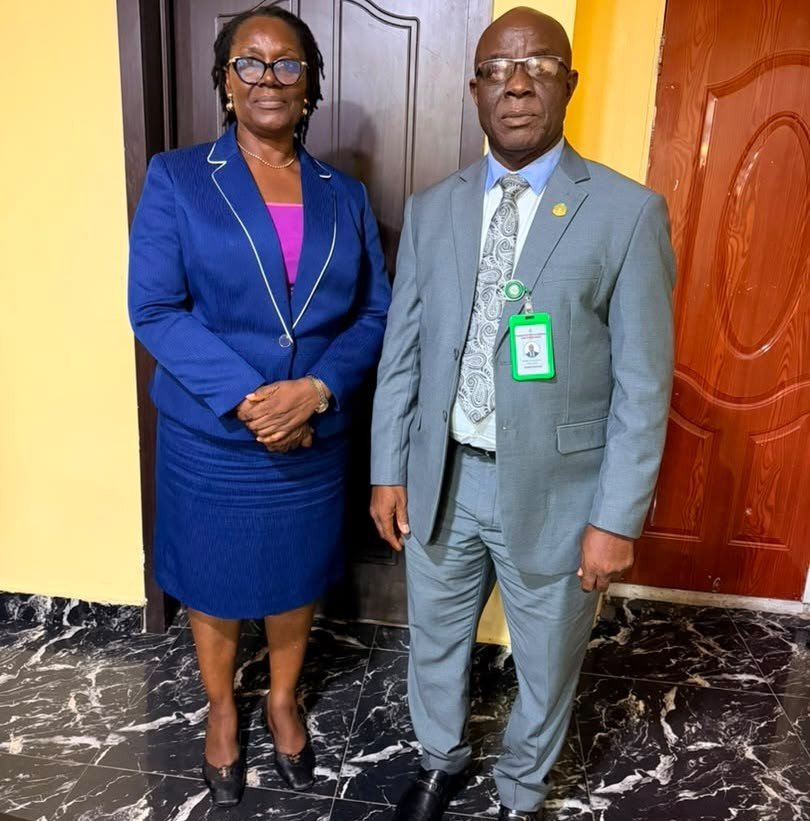
The Nigerian Institute of Advanced Legal Studies is providing technical support for the audit. Its team is led by Professor Emmanuel Edem Okon, Professor of Law and Director of Research, who has commenced work on the assignment.
Ogunlola said NIALS was selected because of its specialist mandate and experience in advanced legal research and legislative drafting. The partnership will strengthen the technical and policy foundations of the audit and support capacity development within the Commission.
Professor Okon affirmed the team’s readiness to contribute to the exercise, stating: “We have the competence and commitment.”
Expected Impact for Lagos State
The audit is the diagnostic stage of a broader reform process. Following the assessment, LAWRECOM will undertake the detailed review and reform of priority laws, supported by research, consultation and evidence from implementation.
A more coherent and accessible legal framework will help clarify institutional responsibilities, improve coordination and service delivery, protect citizens’ rights and provide greater certainty for residents, businesses and public institutions. It will also strengthen the legal foundation for innovation, investment and inclusive socio-economic development.
By aligning the State’s laws with present-day realities and policy priorities, the audit will support the Security and Governance and 21st Century Economy pillars of the THEMES+ Agenda. It will also provide Government with an evidence-based programme for the continuing modernisation of Lagos State laws.