


Why Latest Ebola Strain Has No Approved Vaccine- Africa CDC
The Director-General of the Africa Centres for Disease Control and Prevention, Dr Jean Kaseya, has blamed the lack of international interest in the Bundibugyo strain of Ebola for the absence of an approved vaccine, saying the situation might have been different if the disease were affecting Western countries.
“If this outbreak was in Western countries, vaccine would already be available,” Kaseya said during an interview on Channels Television’s The Morning Brief on Thursday.
He argued that the strain had received less attention partly because it had caused fewer outbreaks than the Zaire strain, which has been responsible for more than 16 outbreaks.
“Why this vaccine today is not available? Because some of our partners, they decided to consider this issue as an African issue, they were not interested,” he said.
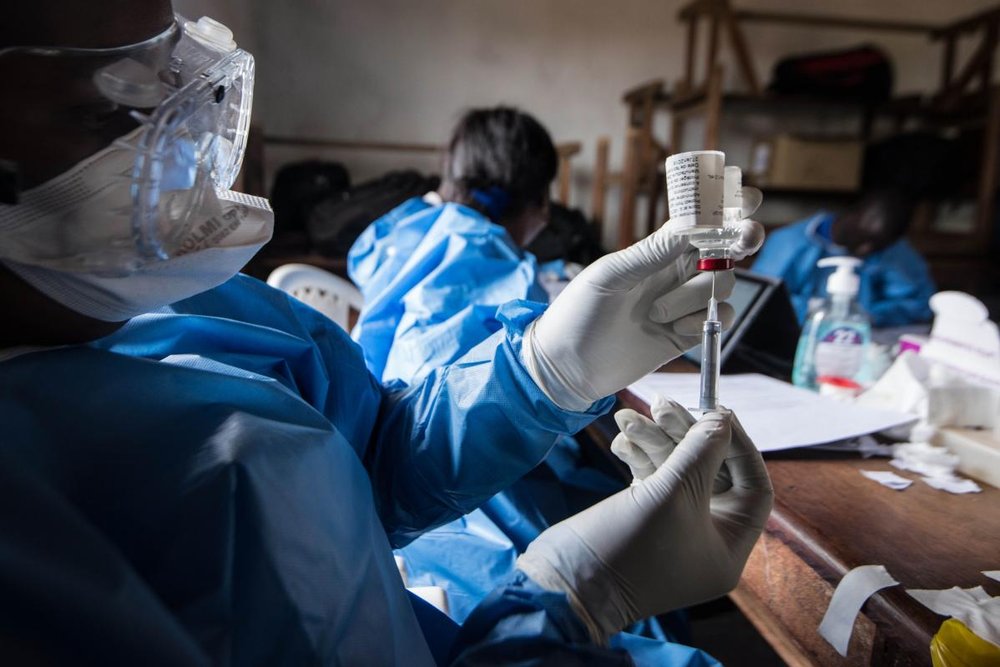
Kaseya said the Africa CDC had decided to take a more active role in addressing the gap, including initiating clinical trials of new vaccine candidates.
He disclosed that an African manufacturer in Egypt was conducting clinical trials of a potential vaccine against the Bundibugyo strain.
The agency was also working with the Democratic Republic of the Congo and Uganda to make a vaccine developed for the Zaire strain, Ervebo, available for clinical trials and compassionate use, he said.
Kaseya explained that the agency’s response was part of a broader effort to prevent Africa from being left behind in the development and production of vaccines, medicines and diagnostic tools.
“We don’t want to see again Africa left behind. We have the knowledge, we have people with intelligence, we have capacity to manufacture vaccine. We need to move on,” he said.
He said the current outbreak should lead to lasting changes in how Africa prepares for public health emergencies, including increased local vaccine manufacturing, better coordination among international partners and greater domestic funding.
Kaseya said 28 African countries had contributed funds towards the response to the outbreak, describing the participation as a sign of changing attitudes towards financing the continent’s health emergencies.
“This is the first time I saw 28 African countries coming to provide funding to support the response, more than 50 per cent of African countries,” he said.
He added, “After Ebola, Bundibugyo will not be like before Bundibugyo,” referring to the push for greater African capacity to develop vaccines and respond to future outbreaks.
Nigeria confirmed its first imported case of Bundibugyo Ebola in the Federal Capital Territory on October 20. The patient, a woman who had recently travelled from Uganda, was receiving medical care, while health authorities identified 44 contacts for monitoring.