



Reps Order Immediate Solution To Delta Oil Spill
The House of Representatives Committee on South-South Development Commission has demanded urgent intervention to end the prolonged gas seepage in Bille community in Rivers State, after fresh technical findings revealed the presence of potentially hazardous gases and pollution in the community’s air, water and sediment.
The committee also ordered concrete action to address an oil spill that has reportedly affected Odidi Federated Community in Delta State for more than five months.
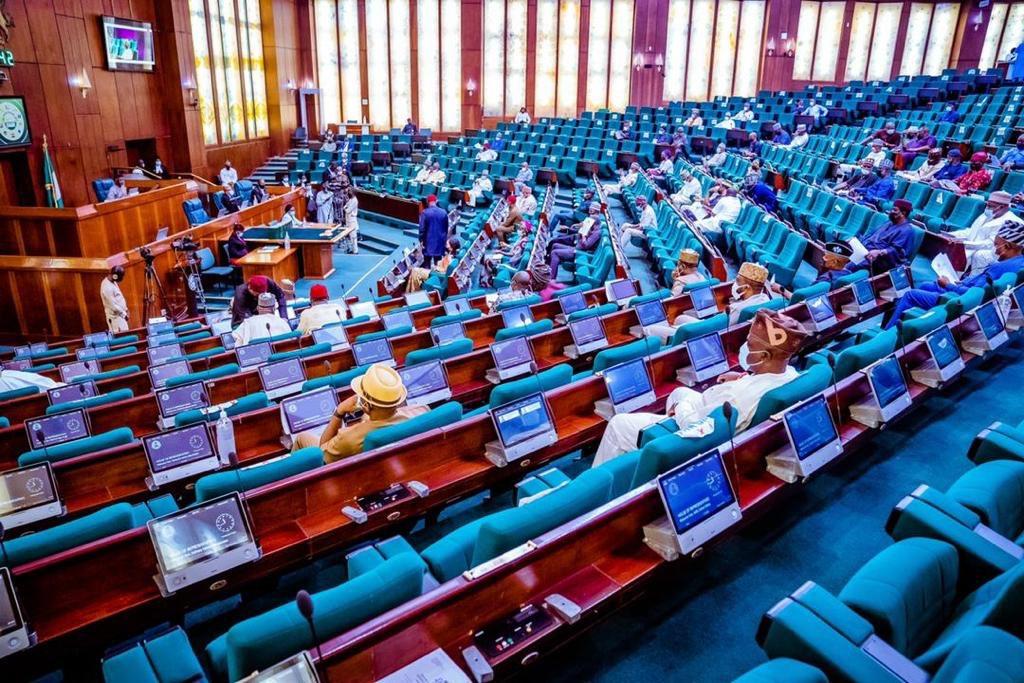
The committee’s Chairman, Julius Pondi, made the demand on Thursday during an urgent stakeholders’ engagement on the Bille gas seepage and a legislative hearing on the Odidi oil spill in Abuja.
Pondi said the two incidents underscored the environmental and developmental challenges confronting oil-producing communities in the Niger Delta region, where residents continue to bear the consequences of environmental degradation despite the region’s contribution to the national economy.
The committee’s concern over Bille, he said, was heightened by its engagement with the Nigerian Upstream Petroleum Regulatory Commission and the National Oil Spill Detection and Response Agency on July 30, 2026, noting that it was unacceptable that the gas seepage had continued for about nine months without a clear solution.
“The implications are serious. Beyond the potential risks to health, safety and the environment, the incident has imposed severe economic hardship on the people of Bille.
“It is unacceptable for an incident of this magnitude to persist for so long without a clear, time-bound and effective resolution strategy,” he stated.
Pondi said Thursday’s engagement was intended to establish the facts surrounding the incident, assess the response by government agencies and operators, identify outstanding challenges and agree on practical and measurable steps towards resolving the crisis.
He stated that the committee expected comprehensive briefings from the operating company, NUPRC, NOSDRA and other relevant agencies on the cause, extent and current status of the seepage.
The representatives of Bille community were also allowed to present their concerns and outline the relief and interventions required.
“Most importantly, we want to move from prolonged discussion to concrete action and lasting resolution,” Pondi said.
Providing a technical briefing, a director of NOSDRA, Dr Yusuf Rigasa, said the agency had confirmed the presence of multiple gases, including hydrogen sulphide, methane, volatile organic compounds and carbon dioxide, at several locations in Bille, Degema Local Government Area of the state.
Rigasa said investigations established what he described as “multi-point subsurface gas bubbling” in different parts of the community, including the premises of the Government Primary and Secondary School, saying the school had subsequently been abandoned, while gas bubbling was also confirmed around waterways and mangrove areas.
According to him, NOSDRA conducted an air-quality assessment on December 6, 2025, across 19 stations and recorded elevated concentrations of the aforementioned pollutants.
He explained that hydrogen sulphide has a characteristic rotten-egg smell, while methane is highly flammable and potentially explosive, adding that the concentrations recorded during the assessment exceeded applicable regulatory thresholds.
He added that the agency’s reference laboratory analysed samples collected on December 16, 2025, and detected elevated levels of total petroleum hydrocarbons in groundwater, surface water and sediment samples.
The findings, after sample analysis by the agency’s reference laboratory, “indicated that parts of Bille’s soil, surface water and groundwater had been affected by pollution.”
However, Rigasa said NOSDRA had not established that the gases were from a hydrocarbon source or linked to any particular oil and gas operator.
He said the agency’s technical presentation to the Minister of Petroleum Resources indicated that “the source of the seepage was probably biogenic, resulting from the degradation of organic matter.”
The NOSDRA official said the agency had compared the Bille situation with the Lake Nyos gas disaster in Cameroon in 1986, stressing the need for the incident to be treated with utmost seriousness.