


Paul McCartney Ranks Third-richest Musician With $1.4bn
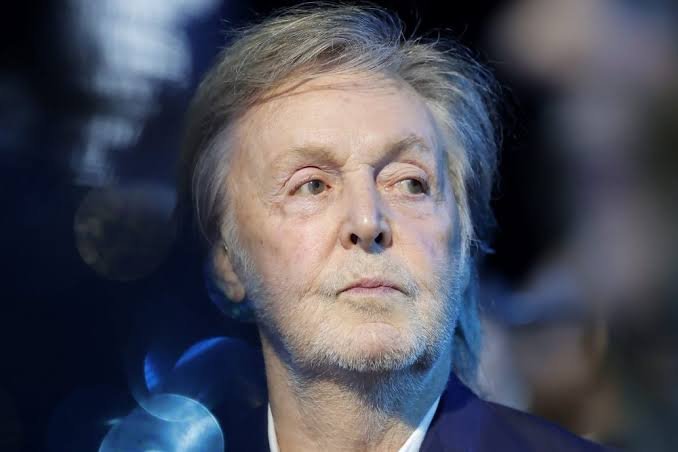
Former Beatles member Paul McCartney has become a billionaire, with an estimated net worth of $1.4bn, making him the world’s third-richest musician, Forbes has reported.
Forbes disclosed this in a report published on Monday, attributing McCartney’s wealth to decades of songwriting, music publishing investments, royalties, touring and property holdings.
Much of his fortune comes from MPL Communications, the music publishing company he established in 1969, shortly before The Beatles broke up.
Through the company, McCartney acquired the publishing rights to thousands of songs, including works by early rock-and-roll musician Buddy Holly and scores from Broadway musicals.
The catalogue also includes several well-known Christmas songs, such as “It’s Beginning to Look a Lot Like Christmas”, “Blue Christmas” and “Baby, It’s Cold Outside”.
Forbes estimated that MPL is worth at least $`250m and generates tens of millions of dollars in annual revenue from music royalties.
The singer also earns from The Beatles’ music catalogue through the group’s Apple Corps company, which Forbes estimated generates more than $50m annually from streaming, vinyl sales and merchandise.
McCartney, drummer Ringo Starr and the estates of late band members John Lennon and George Harrison each receive a 25 per cent share of the company’s income, according to Forbes.
His share of the songwriting copyrights to The Beatles’ compositions in the United States is also estimated to be worth at least 10m annually.
McCartney’s wealth further includes earnings from decades of international tours, property in the United Kingdom and the Hamptons in the United States, as well as an art collection featuring works by Pablo Picasso and René Magritte.
The singer’s financial success came after an early career in which The Beatles reportedly earned less than one US cent for each album sold under their initial record deal, while music publisher Dick James controlled the copyrights to songs written by the group.
McCartney subsequently established his own publishing company to gain greater control over his music and future royalties.
In a 2017 Forbes essay, he described the group’s early recording agreement as “basically a slave contract”, saying they did not receive a raise despite the success they brought the company.