


Stakeholders Flag Safety Risks In CNG, EV Transition
Key stakeholders in Nigeria’s automotive industry have raised concerns over safety gaps threatening the country’s transition to Compressed Natural Gas and Electric Vehicles, warning that weak regulation, inadequate testing facilities and poor public awareness could undermine the Federal Government’s clean mobility agenda.
The Standards Organisation of Nigeria warned that unless urgent measures are taken to strengthen standards enforcement and eliminate uncertified products from the market, safety incidents could erode public confidence and discourage much-needed investment in the emerging sector.
The Federal Road Safety Corps, on its part, disclosed that it is developing Standard Operating Procedures for the deployment and regulation of EVs and CNG-powered vehicles to ensure Nigeria aligns with global safety and operational standards.
The concerns were raised at the third edition of the Nigeria Auto Industry Summit, organised by the Nigeria Auto Journalists Association in collaboration with the National Automotive Design and Development Council in Lagos over the weekend.
The summit was themed ‘Nigeria’s Clean Mobility Future: The EV and CNG Journey Under the President Bola Tinubu Administration.’
Presenting a paper at the summit, the Director-General of SON, Dr Ifeanyi Okeke, said Nigeria’s transition to cleaner transportation would only succeed if strict standards, effective regulation and public confidence are prioritised.
Represented by the agency’s Deputy-Director of Research and Statistics, Olalekan Omoniyi, the SON boss stressed that while CNG and electric vehicle technologies are globally recognised as safe, the use of uncertified components and poor installation practices could turn them into serious hazards.
He said: “CNG and EV technologies are inherently safe when they are designed, manufactured, installed and maintained in accordance with recognised national and international standards.
“But they become dangerous when uncertified products and poor installation practices are allowed into the market. The integrity of the entire system depends on compliance with established standards.”
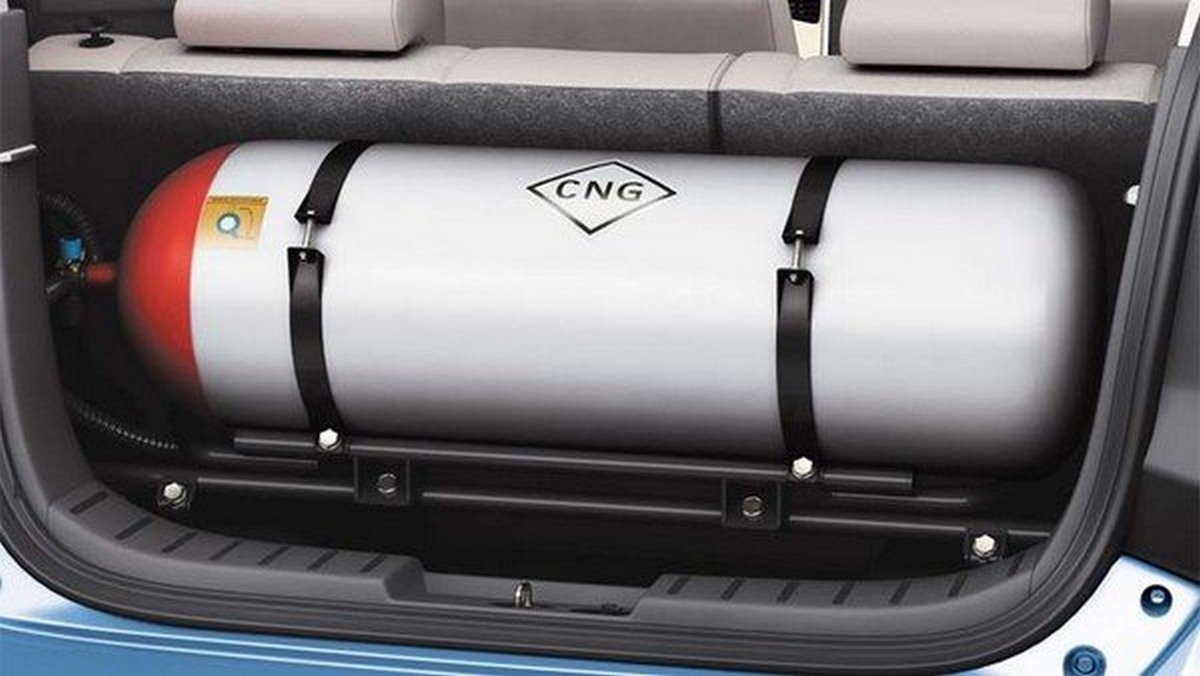
Omoniyi recalled the explosion of a CNG cylinder installed in an Audi 80 at a filling station along the Benin-Auchi Expressway in Edo State, saying investigations traced the incident to the use of an uncertified cylinder and failure to comply with the Nigerian Gas Vehicle Installation Standard, NNG 1214:2024.
He identified the proliferation of informal vehicle conversion centres as one of the greatest threats confronting the industry, noting that the rapid influx of grey-market CNG cylinders and conversion kits had outpaced regulatory inspection and enforcement.
He said: “The standards framework for electric vehicles in Nigeria is still evolving, particularly in areas relating to battery safety, charging interoperability, battery recycling and second-life applications.
“Standards must keep pace with rapidly evolving global technologies. In addition, high-pressure cylinder testing and high-voltage battery evaluation require sustained investment in modern laboratories and highly skilled technical personnel.”
Despite the challenges, Omoniyi assured Nigerians that the government’s clean mobility programme remains safe when certified products and approved installation procedures are followed.
“We want Nigerians to have confidence in this initiative. Certified CNG and EV products are safe, reliable and built to meet approved quality standards. What we must eliminate are fake products and unqualified installers,” he added.
Also speaking, the Corps Marshal of the FRSC, Shehu Mohammed, said the agency was putting in place operational frameworks that would guarantee the safe introduction and widespread adoption of cleaner transportation technologies across the country.
According to him, road safety must remain at the centre of Nigeria’s transition to alternative fuel vehicles.
Mohammed said, “As cleaner mobility gains momentum, regulatory institutions must evolve alongside emerging technologies.
“The FRSC is already positioning itself to support the transition through enhanced safety regulations, stakeholder engagement and the development of Standard Operating Procedures for EVs and CNG-powered vehicles.
“Cleaner mobility should not only reduce emissions, but also improve road safety, strengthen vehicle standards and build public confidence in these emerging technologies.”
Mohammed said the Corps was collaborating with relevant government agencies and industry stakeholders to ensure that road safety regulations keep pace with technological developments in the automotive sector.
Earlier, Chairman of the Nigeria Auto Journalists Association, Theodore Opara, described the summit as more than an industry gathering, saying it was a strategic platform for charting the future of Nigeria’s automotive industry.
He noted that countries around the world are embracing cleaner transportation technologies to reduce carbon emissions, improve energy efficiency and create more sustainable economies, warning that Nigeria cannot afford to lag behind.
“This summit is more than an industry conference,” Opara said.
He added, “It is a strategic platform to shape the future of Nigeria’s automotive industry. The global automotive landscape is changing rapidly, and Nigeria must accelerate its transition if it is to remain competitive and fully benefit from the opportunities presented by clean mobility.”