


Nigeria, Seven West African States Plan Stronger Border Cooperation
Nigeria, through the National Boundary Commission, joined seven other West African countries at the Third Meeting of Heads of National Boundary Commissions in Banjul, The Gambia, to discuss strategies for accelerating boundary operations, strengthening border security, and promoting cross-border cooperation and development.
The National Boundary Commission disclosed this in a statement issued on Saturday by the agency’s Head of Information, Press and Public Relations, Chinwe Udouwem.
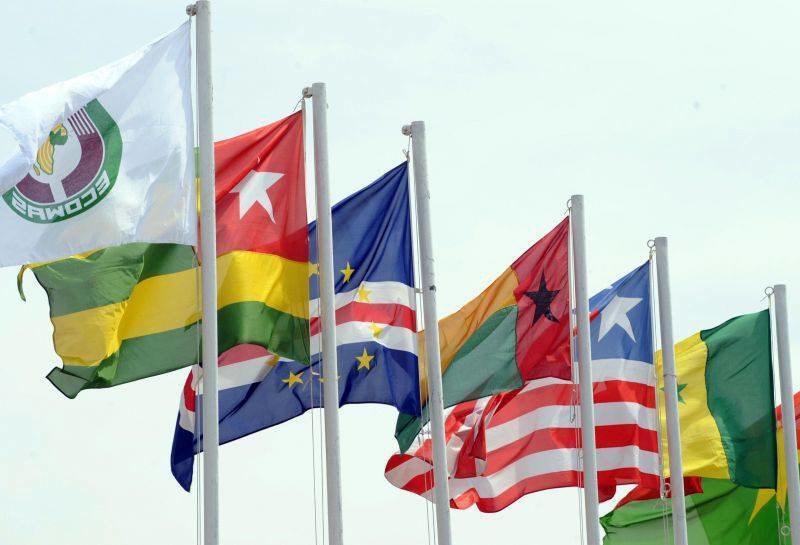
The meeting, held from October 6 to 8, 2026, brought together representatives from Benin, Côte d’Ivoire, The Gambia, Ghana, Liberia, Nigeria, Senegal and Sierra Leone, alongside the ECOWAS Commission and technical and financial partners, including the German Development Agency.
Nigeria was represented by the Director-General of the National Boundary Commission, Adamu Audu Adaji. The meeting formed part of the annual consultation mechanism established by the Economic Community of West African States in 2024.
It provided a platform for participants to review the implementation of recommendations from the second meeting, held in Cotonou, Benin, in August 2025, share national experiences and identify priorities for regional border governance and cooperation.
Participants emphasised the need to accelerate boundary delimitation, demarcation and reaffirmation through stronger political commitment, improved technical collaboration and sustained dialogue between neighbouring countries.
They highlighted the importance of involving national governments, boundary commissions, local authorities and technical teams in resolving challenges that impede boundary operations.
They also stressed the need for bilateral agreements to clearly define the objectives, stages and technical requirements of boundary operations.
The use of compatible equipment, engagement of experienced resource persons and maintenance of open communication channels were identified as crucial measures for overcoming operational difficulties and promoting the peaceful resolution of boundary disputes.
The meeting further underscored the strategic relationship between effective border governance, national security and community development.
Participants highlighted the importance of strengthening cooperation to address security threats, prevent crises and preserve the social, cultural and economic ties among communities living along international boundaries.
They called for greater involvement of local authorities and border communities in consultation and decision-making processes, noting that community engagement helps prevent misunderstandings, facilitates dispute resolution and promotes peaceful coexistence.
The need to integrate security, local development, trade and free movement into border governance strategies was also emphasised. The establishment of a cross-border cooperation fund and the submission of joint funding requests by neighbouring countries were proposed for further examination, subject to applicable financial regulations.
Another major outcome was the identification of five bilateral partnerships for coordinated activities, including The Gambia–Senegal, Benin–Nigeria, Côte d’Ivoire–Ghana, Côte d’Ivoire–Liberia and Liberia–Sierra Leone.
Proposed areas of cooperation include land and maritime boundary operations, cross-border initiatives, security, economic development and regional integration.
The Nigeria–Benin partnership includes a planning horizon spanning 2026 to 2029, providing a framework for continued cooperation on shared boundary priorities.
Participants also reviewed progress towards the entry into force of the African Union Convention on Cross-Border Cooperation, also known as the Niamey Convention. The report noted that The Gambia’s recent ratification brought the total number of ratifying African states to 14, out of the 15 required for the convention to enter into force.
Countries yet to complete their ratification processes were encouraged to expedite the procedures to strengthen the continental framework for cross-border cooperation.
The meeting’s final recommendations included strengthening coordination among national and regional border institutions, operationalising local cross-border cooperation, promoting inclusive community participation, mobilising sustainable domestic resources and improving technical cooperation.
Follow-up priorities identified include gathering evidence of project implementation, verifying security constraints before monitoring missions, clarifying institutional responsibilities and securing sustainable financing.
The meeting reaffirmed the importance of regional collaboration in addressing boundary challenges and promoting peaceful coexistence, security, economic development and regional integration.
For Nigeria, participation in the regional platform provides an opportunity for continued engagement with neighbouring countries and regional bodies.
The outcomes further underscored the strategic role of the National Boundary Commission in advancing effective border governance and national security across Nigeria’s border areas.