



How Mobile Banking Makes Everyday Transactions Easier
By Tolulope Rojaiye
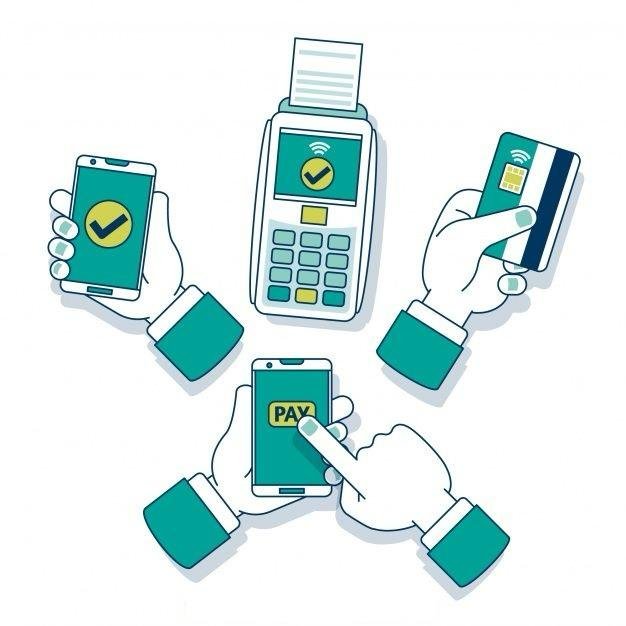
Mobile banking is changing how Nigerians manage money, pay bills and complete everyday financial transactions.
The value goes beyond having a bank on a smartphone. It lies in helping customers complete important banking tasks without allowing those tasks to disrupt work, business, family responsibilities or personal schedules.
A routine visit to a bank branch can take more time than expected. Customers may have to contend with traffic, travel time and queues. For a business owner, this could mean leaving a shop during a busy period. An employee may have to sacrifice a lunch break, while a parent may need to reorganise an already demanding day.
Bank branches remain important for customers who require financial advice, documentation or assistance with complex transactions. However, many routine banking activities can now be completed digitally.
The Fidelity Mobile App allows customers to conduct several transactions within a secure digital environment. These include money transfers, airtime purchases, bill payments, balance enquiries, mini statements, debit card requests and selected cross border payments.
Mobile banking for everyday financial needs
Financial needs often arise without warning.
A supplier may send an invoice. A relative may require financial support. Airtime may run out during an important call. An electricity bill may become due. A customer may also need to confirm if a transfer has been received.
These are ordinary moments that require quick and convenient banking solutions.
Through the Fidelity Mobile App, customers can initiate transfers and review beneficiary details before authorising payment. They can also purchase airtime, pay supported bills, check account balances and review recent transactions through a mini statement.
These features help customers complete frequent banking tasks without interrupting the rest of their day.
A customer can check an account balance before making a purchase, transfer money after receiving an invoice or review recent transactions before taking a financial decision.
The app also supports debit card requests for eligible customers. A customer can select a relevant account and an available card option, provide delivery details and proceed in line with the applicable issuance and delivery terms.
This allows the customer to begin the debit card request process without first visiting a branch.
More than a money transfer app
Many customers download a mobile banking app mainly to transfer money. Some continue to use only that feature even when other useful services are available.
The next phase of digital banking adoption must therefore focus on helping customers understand the broader range of financial needs that mobile applications can address.
A customer who regularly transfers money can also use the Fidelity Mobile App to pay supported bills. A customer reviewing recent transactions may identify an unfamiliar debit earlier. Someone preparing for a trip may begin a debit card request digitally.
Small business owners may also use supported payment options to meet eligible obligations across African markets.
The Fidelity Mobile App provides access to PAPSS for eligible customers. The Pan African Payment and Settlement System enables supported cross border payments to be initiated in Naira, while beneficiaries receive the applicable local currency in their country.
The service can support eligible business payments, school related obligations and family support across available African payment corridors. Transactions remain subject to applicable requirements, charges and terms.
These services position the Fidelity Mobile App as more than a transfer platform. The app provides customers with access to a broader range of everyday banking services from a familiar digital environment.
Safe mobile banking remains essential
Speed and convenience are important, but customers also need confidence when using digital banking channels.
Customers should download or update the Fidelity Mobile App only through official application stores. Login details must be protected, while personal identification numbers and one time passwords should never be shared.
Before approving a transfer, customers should confirm the beneficiary name and transaction amount. Service or customer references should also be checked before completing bill payments.
Customers should regularly review account activity and promptly investigate unfamiliar transactions.
A few seconds spent reviewing payment details can prevent a costly mistake. Digital banking should reduce unnecessary effort without reducing customer attention.
The strongest mobile banking experience combines convenience, security and customer control.
Giving customers more ways to bank
Mobile banking does not remove the importance of other banking channels. It gives customers more choice.
A branch may be suitable for one transaction, while a relationship manager may be required for another. USSD can support banking during a low data moment, while the Fidelity Mobile App can handle many routine transactions independently.
The important consideration is that customers should be able to choose a channel that fits their immediate needs.
For Fidelity Bank, the opportunity is to make its digital and physical channels work together as part of one customer relationship.
The value of the Fidelity Mobile App should therefore be measured by the difference it makes in everyday life.
It could be the supplier who receives payment without the business owner leaving the shop. It could be the airtime purchase completed without interrupting an important task. It could also be the balance checked before a decision, the debit card request started without rearranging a schedule or an eligible African payment initiated from a familiar screen.
A banking transaction may take only a few minutes. Completing it from a convenient location can leave customers with more time for the people, businesses and responsibilities that matter.