


Reforms: Nigeria On Path To Sustainable Economic Growth- CBN
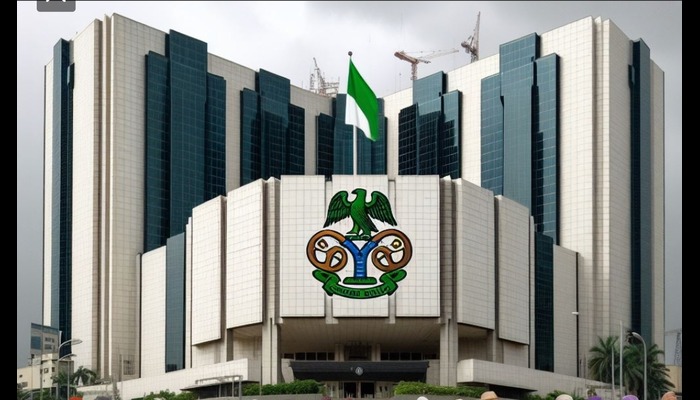
The Central Bank of Nigeria (CBN) has said Nigeria is on a path towards greater economic stability, increased competitiveness and sustainable growth following ongoing monetary, financial and foreign exchange reforms.
The Director, Stakeholder Engagement and Institutional Relations Department of the CBN, Mrs Hakama Sidi Ali, stated this on Tuesday at the CBN Special Day at the 21st Abuja International Trade Fair.
She said the reforms under the leadership of CBN Governor, Mr Olayemi Cardoso, in collaboration with fiscal authorities, were strengthening the foundations of the Nigerian economy and improving investor confidence.
According to her, “The Central Bank of Nigeria, in collaboration with the fiscal authorities, has played vital roles in strengthening the foundations of the Nigerian economy, through a series of reforms and policy initiatives aimed at recalibrating macroeconomic stability, enhancing investor confidence, and promoting sustainable economic growth.”
Ali said the unification of the foreign exchange market had enhanced stability, strengthened investor confidence and reduced distortions in the market.
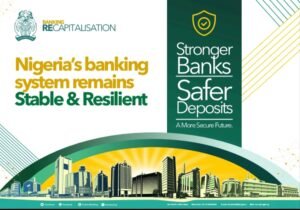
She also identified the Payments System Vision 2028, aimed at positioning Nigeria as a regional leader in digital and cross-border payments, and the successful conclusion of the banking sector recapitalisation as key reforms undertaken by the Bank.
She noted that the reforms had contributed to the CBN receiving the Central Bank of the Year 2026 award.
The CBN director said the Bank has recently reduced the Monetary Policy Rate, MPR, from 26.5 per cent to 23 per cent and recalibrated the Standing Facilities Corridor to +50/-300 basis points around the MPR.
She said the move was designed “to support productive activities without losing focus on bringing inflation down to single digit from its current position of 15.39 per cent.”
Ali disclosed that Nigeria’s gross external reserves stood at over $55 billion as of September 18, 2026, describing the figure as the highest in 18 years.
“This attests to improved foreign exchange inflows, through policy measures that encourage remittances, investments, and greater participation in the formal financial system,” she said.
She said resilient trade required a stable macroeconomic environment, noting that businesses were more likely to plan and invest when inflation was moderated, exchange rates were relatively stable and the financial system was sound.
“As the Central Bank of Nigeria continues to implement reforms aimed at price stability, banking sector resilience, and the entire financial system strengthening, we remain optimistic that Nigeria is on a path towards greater economic stability, increased competitiveness and sustainable growth,” she said.
Speaking earlier, President of the Abuja Chamber of Commerce and Industry (ACCI), Chief Emeka Obegolu urged the CBN to strengthen initiatives aimed at improving Micro, Small and Medium Enterprises’ access to affordable and sustainable financing.
He said greater collaboration among the CBN, financial institutions and the organised private sector would help businesses translate opportunities into sustainable enterprises, create jobs and contribute to economic growth.
Obegolu also called for increased support for agriculture, manufacturing, trade, technology and export-oriented businesses through targeted financing, credit guarantees, financial literacy and innovative funding mechanisms.
He said the ACCI remained ready to serve as a bridge between the CBN and the business community, stressing that Nigeria’s economic transformation required “a strong and sustained partnership between government institutions and businesses.”