


FG Reviews N235bn Health Fund As High Patient Costs Persist
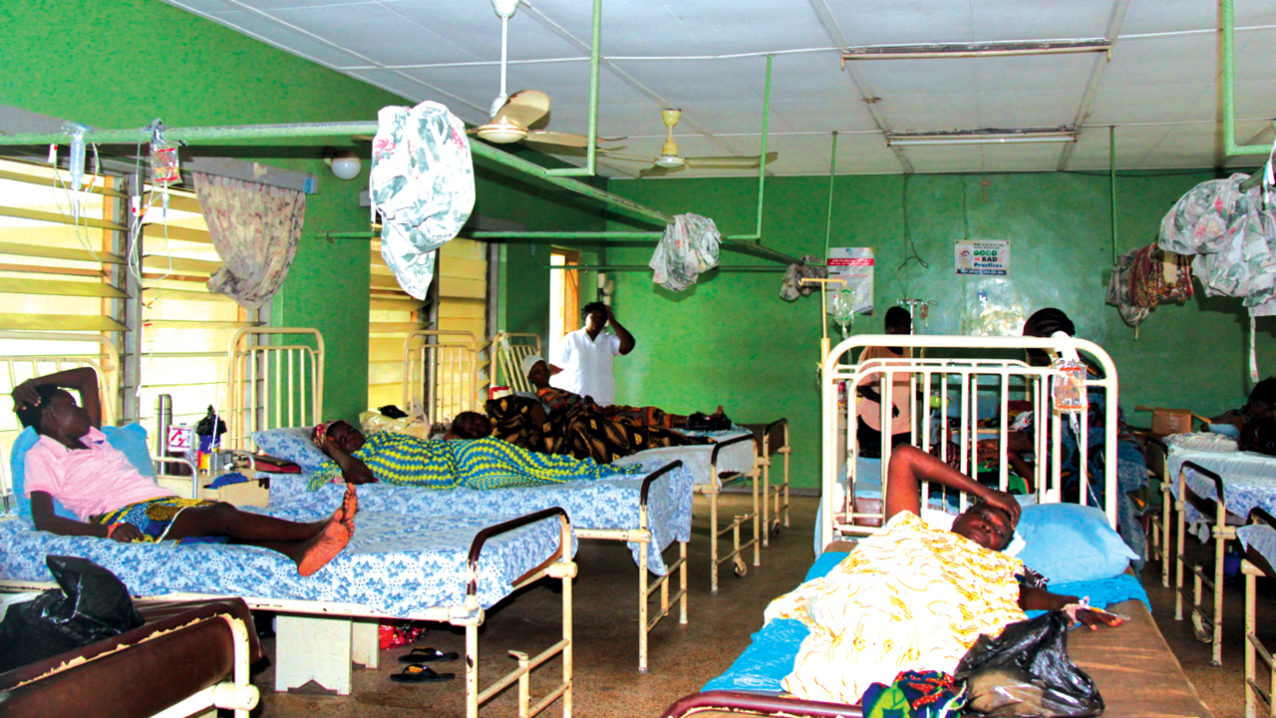
The Federal Government is stepping up efforts to assess the effectiveness of its health financing as high out-of-pocket medical expenses continue to expose Nigerian households to heavy healthcare costs, despite the release of N235bn through the Basic Healthcare Provision Fund in three years.
The National Health Insurance Authority disclosed this in a statement issued on Sunday ahead of the inaugural Nigeria Health Financing Research & Learning Forum, which begins on Monday, September 28.
The NHIA said, “The Federal Government has also released N235bn through the Basic Healthcare Provision Fund in the past three years, increasing the importance of ensuring that growing health investments deliver measurable results.”
It added that health insurance enrolment had climbed above 23 million, but the expansion in coverage had yet to eliminate the financial burden faced by patients.
“Health insurance enrolment has risen to over 23 million, but out-of-pocket expenditure is still quite high, leaving many families exposed to heavy medical bills,” the authority stated.
Against this backdrop, the two-day forum will bring together policymakers, researchers, healthcare professionals and health financing experts from Nigeria and other countries to examine how limited resources can be deployed more effectively.
According to the NHIA, the initiative forms part of Federal Government efforts to ensure that health expenditure translates into better services, wider access to effective treatment and improved outcomes for patients.
The forum will focus on strengthening the use of evidence in deciding which treatments and services should receive funding, how healthcare providers should be paid and where limited resources can have the greatest impact.
The meeting comes amid the Federal Government’s broader health reform programme coordinated by the Federal Ministry of Health and Social Welfare under the Coordinating Minister of Health and Social Welfare, Prof. Muhammad Ali Pate.
The reforms, according to the statement, are focused on expanding access to healthcare, strengthening financial protection, improving patient outcomes and securing better value from health investments.
The forum, themed, “Evidence and Learning for Nigeria’s Health Financing Future: Building a Locally Led Research and Learning Ecosystem,” will also examine how research and health data can be translated into practical financing decisions.
The Federal Ministry of Health and Social Welfare, NHIA, Health Strategy and Delivery Foundation, Nigeria Health Watch and the Alliance for Health Policy and Systems Research are collaborating on the initiative.
The NHIA said one area in which evidence was increasingly being deployed was Health Technology Assessment, which is used to determine whether medicines, treatments and other health interventions provide sufficient benefits to justify their costs.
It said the authority had already conducted assessments covering kidney replacement therapy, colorectal cancer screening and treatment for advanced liver cancer.
The forum is expected to identify gaps in available evidence and strengthen the connection between research, financing decisions and measurable improvements in patient care.
Experts expected at the meeting include the NHIA Director-General and Chief Executive Officer, Dr Kelechi Ohiri; Canada Research Chair in Health Economics at the University of Manitoba, Prof. John Ataguba; Ghanaian health economist, Prof. Justice Nonvignon; and Prof. Chima Ariel Onoka of the University of Nigeria.
Others include Ethiopian health financing expert, Dr Girmaye Dinsa; Dr Kheya Furtado of India’s Goa Institute of Management; Managing Principal of HSDF and health economist, Dr Yewande Ogundeji; and the NHIA Director of Planning, Research and Statistics, Dr Kurfi Abubakar Muhammad.
The NHIA said the overall objective was to strengthen the use of evidence in health financing decisions as the government seeks to ensure that increased spending produces tangible improvements in healthcare delivery and provides greater financial protection for Nigerians.