


ABUAD, ISN Partner To Boost Neuroscience Research In Africa
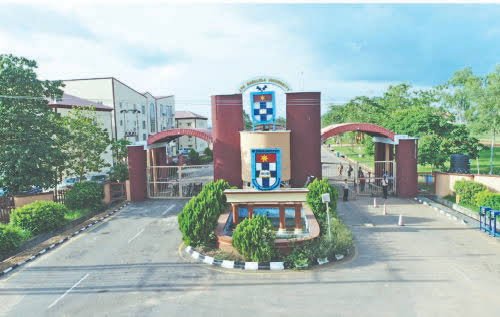
Afe Babalola University, Ado Ekiti, in collaboration with the International Society for Neurochemistry, has launched an initiative aimed at strengthening neuroscience research capacity and training young scientists across Africa.
The partnership is being implemented through the ISN-ABUAD Advanced School on Stroke Neurochemistry and Cerebrovascular Resilience, an eight-day programme bringing together global experts and early-career researchers to explore emerging developments in stroke mechanisms, brain health and neurological disorders.
Director of the ISN–ABUAD Advanced School 2026 and Chairman of the Local Organising Committee, Dr Edem E. Edem, disclosed this on Thursday in Ado Ekiti, saying the programme was designed to equip young neuroscientists with advanced knowledge and research skills.
Edem said the school, supported through a competitive educational grant from ISN, brought together 30 early-career neuroscientists, including senior doctoral researchers and postdoctoral candidates from Nigeria and other African countries.
The participants are being trained by experts from Africa, Europe, North America and South America.
Edem said strengthening neuroscience capacity was crucial to addressing the rising burden of neurological disorders on the continent.
“Strengthening neuroscience capacity is essential in addressing the growing burden of neurological disorders across Africa and ensuring that young scientists are equipped to contribute meaningfully to global brain research,” he said.
He added that the initiative was created “to create sustainable opportunities for emerging African neuroscientists through mentorship, international collaboration and exposure to modern research approaches.”
According to him, the programme’s scientific sessions focused on cerebrovascular neurochemistry, stroke mechanisms, glial biology, neurotransmitter regulation and neuroimmune signalling.
Edem said participants explored the molecular and cellular processes involved in stroke development, progression and recovery during sessions themed “Cerebrovascular Neurochemistry and Stroke Mechanisms.”
He added that subsequent sessions examined neurochemical pathways, vascular biology, inflammation, oxidative stress and mechanisms linked to cerebrovascular injury.
“Activities on Wednesday focused on ‘Cerebrovascular Neurochemistry and Stroke Mechanisms’, where participants explored the molecular and cellular processes involved in stroke development, progression and recovery. There were also sessions on Thursday under the theme ‘Glial, Neurotransmitter Neurochemistry and Neuroimmune Signalling’,” Edem said.
He noted that faculty members shared research findings and emerging approaches in stroke science, helping participants gain exposure to contemporary neuroscience practices.
Among the experts engaging the researchers are Prof. Maria Chitolina Schetinger of the Federal University of Santa Maria, Brazil, and Prof. Amadi Ihunwo of the University of the Witwatersrand, South Africa.
Ihunwo, during his session titled “Africa’s brain data is missing and that is a scientific emergency: The BRIDGE initiative and what it means for cerebrovascular research,” highlighted the need for stronger African participation in global neuroscience research.
Dr Bernard Fongang of the Glenn Biggs Institute for Alzheimer’s and Neurodegenerative Diseases, UT Health San Antonio, United States, also exposed participants to emerging research areas through his presentation on the genetics of vascular cognitive impairment and dementia and their implications for Africa.
The programme also featured discussions on conducting scientific research in low-resource environments, securing research grants and building sustainable scientific capacity among African researchers.
The organisers said the initiative further strengthens ABUAD’s position as an emerging centre for neuroscience training and international scientific collaboration, while creating opportunities for young African researchers to contribute to advancements in brain health.